Stain Removal in Everyday Life: Practical Methods for Cleaner Fabrics, Surfaces, and Spaces
Stain removal is one of those household topics that never seems to go out of style. Whether you are dealing with a wine spill on a shirt, grease on kitchen counters, ink on upholstery, or a mystery mark on carpet, knowing how to approach stain removal quickly can save time, money, and frustration. The best stain removal results usually come from a mix of fast action, the right cleaning method, and a little patience.
In many homes and businesses, stain removal is not just about appearance. It is also about hygiene, fabric care, surface protection, and long-term maintenance. A proper stain removal routine helps preserve clothing, furniture, rugs, curtains, and hard surfaces. It also reduces the risk of permanent discoloration, odor buildup, and material damage.
What makes stain removal tricky is that no single method works for every problem. Different stains respond to different treatments. Oil, protein, tannin, dye, rust, and ink all behave differently, and each material—cotton, wool, silk, leather, tile, wood, or synthetic fabric—has its own limitations. That is why stain removal works best when you understand both the stain and the surface.
Understanding the Basics of Stain Removal
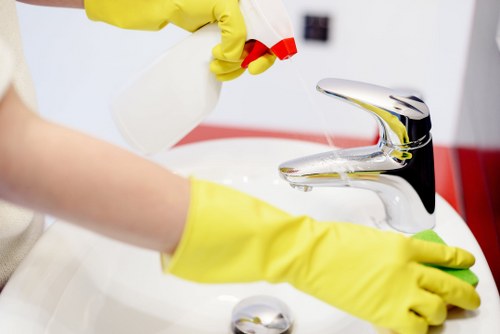
Successful stain removal begins with identifying the stain type. Some stains are water-based and can be treated with gentle rinsing, while others are oily and need a degreasing approach. Stain removal is more effective when you avoid rubbing aggressively, because scrubbing can push the stain deeper into fibers and make it spread.
Another important factor is timing. Fresh stains are easier to treat than set-in stains. When a spill happens, act quickly by blotting, lifting, or rinsing as appropriate. The longer a stain remains untreated, the more likely it is to bond with the material.
It also helps to keep a few basic stain removal supplies on hand. These may include mild detergent, white vinegar, baking soda, hydrogen peroxide, clean microfiber cloths, a soft brush, and cold water. Using the correct tool at the right time makes stain removal safer and more effective.
Why quick action matters
When a stain sits too long, it may dry, oxidize, or penetrate deeper into porous surfaces. This is especially true for textiles and carpets. Quick stain removal minimizes permanent marks and prevents odors from developing. In everyday settings, a fast response is often the difference between a minor cleanup and a costly replacement.
Tip: Always test a cleaning solution on a hidden area first. This protects delicate fabrics and finishes from unexpected discoloration.
Stain Removal by Stain Type

Different stains require different strategies, and understanding the category helps you choose the best stain removal method. Here are some of the most common stain types and how to handle them.
1. Food and beverage stains
Coffee, tea, juice, soda, tomato sauce, and wine are among the most common household spills. For many food stains, blotting with cold water is the first step. Avoid hot water on protein-based or tannin-based stains, since heat can set them.
- Coffee and tea: Rinse with cold water, then treat with mild detergent.
- Wine: Blot immediately, apply salt or baking soda if needed, then wash carefully.
- Tomato sauce: Scrape excess, rinse, and use a pre-treatment solution.
- Juice and soda: Dilute with water and clean with a gentle detergent.
2. Grease and oil stains
Grease stains are common in kitchens, garages, and work areas. Because oil repels water, stain removal for grease usually requires dish soap or another degreasing agent. Sprinkle absorbent powder, such as baking soda or cornstarch, to lift excess oil before washing.
Stain removal for greasy spots is most effective when you avoid adding heat too early. Heat can lock oil into fabric fibers and make cleanup harder.
3. Ink stains
Ink stain removal depends on the ink type and material. On washable fabrics, alcohol-based solutions may help lift the pigment. On upholstery or delicate materials, gentle blotting is better than vigorous rubbing.
4. Protein stains
Blood, eggs, milk, and sweat are protein-based stains. Cold water is usually the safest first step. Hot water may cook the protein into the fabric, making stain removal more difficult.
Remember: the wrong temperature can make a stain permanent, so match your treatment to the stain type.
Stain Removal on Clothing and Fabrics
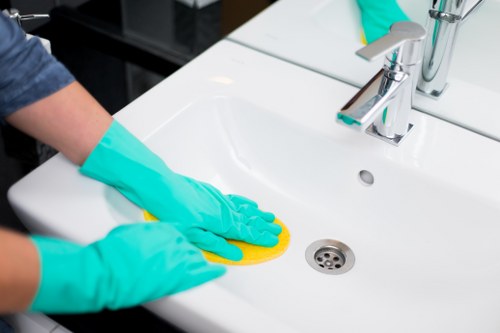
Clothing is one of the most common areas where stain removal is needed. Shirts, uniforms, dresses, linens, and activewear all face everyday spills, splashes, and marks. Fabric stain removal should always begin with checking the care label, because not all materials can handle the same treatment.
For cotton and many synthetic fabrics, you can often start by blotting the stain and rinsing from the back of the fabric to help push the stain out. Then apply a small amount of detergent or a stain pre-treatment product. Let it sit briefly before washing in the recommended water temperature.
Delicate fabrics like wool, silk, and rayon need more caution. These materials can shrink, stretch, or discolor if treated too aggressively. In such cases, stain removal should be gentle, and professional care may be the safest option for valuable garments.
Best practices for fabric stain removal
- Blot first, do not rub.
- Identify the stain before applying any cleaner.
- Use cold water unless the stain type requires otherwise.
- Allow cleaning products time to work before washing.
- Air dry after treatment to ensure the stain is fully gone.
One of the most important habits in stain removal is avoiding the dryer until you are sure the stain has disappeared. Heat from a dryer can set the stain permanently, making later removal much harder.
Stain removal for baby clothes and activewear
Baby clothes often deal with formula, fruit puree, milk, and diaper-related stains. Activewear can collect sweat and deodorant residue. In both cases, a gentle but effective stain removal routine is essential. Use mild detergent, cold water, and a soft brush for stubborn marks, but always protect stretch fabrics and elastic from harsh treatment.
Stain Removal on Carpets, Rugs, and Upholstery

Carpets and upholstery present unique stain removal challenges because they absorb liquids quickly and often cannot be thrown into a washing machine. Fast response is critical. Start by blotting excess liquid with a clean, dry cloth. Work from the outside of the spill toward the center to keep the stain from spreading.
For carpet stain removal, use a minimal amount of cleaning solution to avoid soaking the padding beneath. Too much moisture can lead to lingering odors, mold growth, or water damage. On upholstery, check fabric codes if available, since some materials only tolerate water-based cleaning while others require solvent-based methods.
Pet accidents, coffee spills, and muddy footprints are common issues in homes. Stain removal in these cases may require a combination of blotting, gentle cleaning, and odor control. If a stain has already dried, a soft brush can help loosen residue before treatment.
Simple carpet stain removal steps
- Blot up as much spill as possible.
- Apply a small amount of mild cleaner or diluted detergent.
- Blot again with a clean cloth.
- Rinse lightly and blot dry.
- Repeat carefully if needed.
Stain removal on upholstery may also benefit from steam cleaning, but only when the material is compatible. Always check manufacturer instructions first. For sensitive or expensive pieces, professional treatment is often the safer choice.
Helpful reminder
Never saturate a couch, chair, or rug in an attempt to remove a spot quickly. Controlled cleaning is far more effective than over-wetting.
Stain Removal on Hard Surfaces
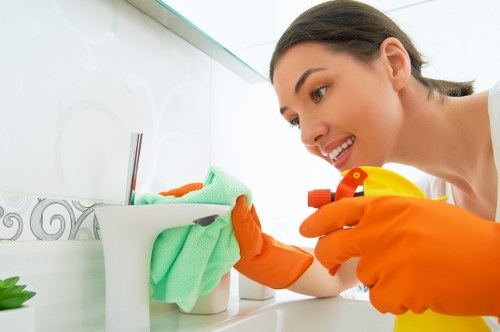
Stain removal is not limited to fabrics. Hard surfaces such as tile, grout, countertops, glass, stainless steel, and wood also collect marks, spills, and discoloration. The benefit of hard-surface cleaning is that the surface usually does not absorb the stain as deeply, but some materials are still sensitive to scratching, etching, or chemical damage.
On countertops, food stains, soap scum, and grease spots are common. A mild detergent or pH-appropriate cleaner often works well. On glass and mirrors, streak-free wiping is important, so use a lint-free cloth and avoid too much product. For stainless steel, always wipe with the grain to prevent visible marks.
Wood stain removal requires extra care because moisture and strong chemicals can damage the finish. Instead of soaking the surface, use a lightly damp cloth and a cleaner designed for wood. If the mark has penetrated the finish, it may need polishing or refinishing rather than standard cleaning.
Stain removal on tile and grout
Tile is usually durable, but grout is porous and can trap dirt, mildew, and stains. For grout stain removal, a paste of baking soda and water or a grout-safe cleaner may help. A soft brush can lift buildup without damaging the tile. Regular maintenance is key to keeping tiled areas bright and clean.
As with other surfaces, the best stain removal strategy is to use the least aggressive method first. Escalate only if needed, and always protect the finish of the material.
Common Mistakes to Avoid in Stain Removal
Even with the right intentions, stain removal can go wrong if common mistakes are made. One of the biggest mistakes is rubbing the stain too hard. This can damage fibers, spread the stain, and push particles deeper into the material. Blotting is usually the safer first response.
Another frequent error is using the wrong cleaning agent. Bleach, vinegar, alcohol, or enzyme cleaners can be helpful in the right situation, but harmful in the wrong one. For example, bleach can weaken some fabrics, while vinegar may damage natural stone. Smart stain removal means matching the solution to the surface.
Failing to rinse thoroughly is also a problem. Leftover detergent or cleaner can attract more dirt later, which makes the area look stained again. Rinsing and drying properly are essential parts of effective stain removal.
- Do not use heat until the stain is gone.
- Do not mix chemicals unless instructions say it is safe.
- Do not assume one cleaner works for all materials.
- Do not ignore hidden damage under a stain.
When professional help makes sense
Some stains are too severe, too old, or too risky to handle at home. Ink on suede, dye transfer on upholstery, rust on delicate fabric, or deep set-in carpet stains may require expert treatment. In these cases, professional stain removal can protect the item and improve the final result.
Preventing Future Stains
While stain removal is important, prevention saves time and effort. Protective habits can reduce how often you need to deal with spills and marks. In homes with children, pets, or frequent guests, a preventive approach makes a big difference.
Start by using washable table linens, stain-resistant upholstery, and protective mats in high-traffic areas. Keep cleaning supplies nearby so spills can be addressed immediately. For clothing, pretreating collars, cuffs, and underarm areas can help reduce buildup from sweat, makeup, and body oils.
Regular maintenance also plays a role in prevention. Vacuum carpets, wipe down counters, clean fabric surfaces, and inspect clothing before washing. These habits support easier stain removal later because dirt and residue do not have time to settle in.
Prevention tips that work
- Use coasters, placemats, and splash guards.
- Apply fabric protectors where appropriate.
- Keep stain removal supplies accessible.
- Act immediately after spills.
- Follow care instructions for all fabrics and surfaces.
Eco-Friendly Stain Removal Options
Many people prefer stain removal methods that are gentler on the environment and safer for families and pets. Fortunately, several effective options rely on everyday ingredients. Baking soda, white vinegar, mild soap, and lemon juice are often useful in controlled cleaning situations.
Eco-friendly stain removal is especially appealing for routine maintenance. For example, baking soda can absorb odors and lift light stains, while vinegar can help with some mineral buildup and certain fabric spots. However, these ingredients are not universal solutions, and they should still be used carefully.
The goal is to balance sustainability with performance. A greener stain removal routine may include reusable cloths, concentrated cleaners, less water waste, and fewer harsh chemicals. This approach can be practical, affordable, and effective when used correctly.
Safe natural ingredients to keep on hand
- Baking soda
- White vinegar
- Mild liquid detergent
- Hydrogen peroxide for specific fabrics
- Microfiber cloths
Important: natural does not always mean safe for every surface. Always confirm compatibility before applying any solution.
Building a Reliable Stain Removal Routine
A strong stain removal routine can simplify daily cleaning and reduce stress during accidental spills. The routine does not need to be complicated. In fact, the most effective systems are often the simplest: identify the stain, act quickly, choose the right cleaner, and finish with proper drying.
You can also organize supplies by category. Keep separate cleaning items for laundry, carpets, kitchen surfaces, and bathrooms. This makes stain removal faster and helps prevent using the wrong product on the wrong material. Clear labeling and easy storage improve consistency, especially in busy homes or commercial settings.
For households that deal with frequent messes, a small emergency kit can be a game-changer. Include cloths, gloves, detergent, stain remover, a small brush, and absorbent powder. When a spill happens, you will be ready to handle stain removal immediately instead of searching for supplies.
Why routine matters for better results
Stain removal becomes easier when it is part of a regular maintenance plan. Consistency protects fabrics and surfaces, reduces waste, and keeps spaces looking fresh. Over time, a reliable routine saves effort and helps prevent permanent damage.
Book your service now if you want professional support for stubborn stains, delicate materials, or large areas that need special care. Fast, proper stain removal can restore appearance and extend the life of your belongings.
Final Thoughts on Stain Removal
Stain removal is both an everyday skill and a long-term maintenance strategy. From clothing and carpets to upholstery and hard surfaces, the right approach can make a dramatic difference. The key is understanding the stain, acting quickly, using the right method, and avoiding common mistakes.
With the right knowledge, stain removal becomes much less intimidating. You do not need to rely on guesswork or harsh chemicals for every spill. Instead, use a methodical process that respects the material and targets the stain effectively. That approach helps preserve the look, feel, and value of your belongings.
If stains are becoming a recurring problem in your home or business, take action before they become permanent. Contact us today to take the next step toward cleaner fabrics, fresher surfaces, and better results. A smarter approach to stain removal starts with the right plan.