Rug Cleaning in Empty Spaces: A Practical, SEO-Friendly Approach to Cleaner, Fresher Rugs
Why Rug Cleaning Matters for Every Home and Business

Rugs do far more than fill a floor. They soften footsteps, add warmth, reduce noise, and bring personality into a room. But they also act like filters, trapping dust, pollen, pet hair, food crumbs, and everyday dirt. Over time, that buildup can make a rug look dull and feel rough.
Rug cleaning in empty spaces is especially important because a neglected rug can quietly affect the cleanliness of the entire room.
Regular rug cleaning helps preserve color, texture, and structure. Whether you own a small accent rug, a large wool area rug, or a delicate handmade piece, proper care can extend its life significantly. In homes with children or pets, or in busy commercial settings, rug cleaning becomes even more valuable because foot traffic is constant and spills happen often.
Another reason rug cleaning matters is indoor air quality. Rugs trap airborne particles, which can be released back into the room when disturbed. A clean rug supports a cleaner environment overall, making the space feel fresher and more welcoming. That is why many people search for rug cleaning in their area when they notice odors, stains, or visible wear.
Understanding Different Rug Materials

Not all rugs should be cleaned the same way. One of the most important parts of rug cleaning in any setting is identifying the material first. Different fibers react differently to water, heat, detergents, and scrubbing.
Common rug materials include:
- Wool – Durable, naturally stain-resistant, but sensitive to harsh chemicals and excessive moisture.
- Cotton – Lightweight and washable in some cases, but prone to shrinking if treated incorrectly.
- Silk – Luxurious and delicate, requiring specialized care and minimal agitation.
- Synthetic fibers – Often easier to maintain, though still vulnerable to residue and heat damage.
- Jute and sisal – Natural fibers with a rustic look, but they can absorb moisture quickly and become difficult to dry.
Knowing the fiber type helps determine whether the rug should be spot cleaned, dry cleaned, or professionally washed. It also helps prevent common mistakes like color bleeding, fiber distortion, or backing damage. If you are unsure,
testing a hidden area first is always a smart move.
Why Material Knowledge Saves Money
Choosing the wrong method can lead to permanent damage, and damaged rugs often cost far more to replace than to maintain. That is why rug cleaning in a thoughtful, fiber-specific way is not just about appearance; it is also a cost-saving habit.
Signs Your Rug Needs Cleaning
Many people wait until a rug looks obviously dirty before taking action. However, there are several early signs that rug cleaning is needed before stains become harder to remove. Paying attention to these signs can protect your investment and make routine maintenance easier.
Watch for these common indicators:
- Persistent odors, even after vacuuming.
- Visible discoloration or dull patches in high-traffic zones.
- Allergy symptoms that seem worse indoors.
- Sticky or rough texture underfoot.
- Pet accidents, drink spills, or food stains.
- Excessive dust released when the rug is moved.
A rug may also need attention if it no longer lays flat or if its fibers appear matted. These are signs that embedded soil and residue are affecting the pile. In many cases, a proper rug cleaning routine can restore a lot of the rug’s original softness and brightness.
Odor Is a Strong Warning Sign
Odors often mean moisture, bacteria, or organic material has settled deep into the rug fibers.
Effective rug cleaning should eliminate the source of the odor rather than simply masking it with fragrance.
Vacuuming: The First Step in Rug Care
Vacuuming is the foundation of rug cleaning in both homes and workplaces. It removes loose dirt before it settles deeper into the pile. When done regularly, vacuuming can reduce wear, improve appearance, and extend the time between deep cleans.
For best results, vacuum both sides of the rug when possible. The underside can trap dust and grit that eventually work their way upward. On delicate rugs, use a suction-only setting or an attachment designed for gentle cleaning. Beater bars can be too aggressive for some materials, especially wool, fringe, or antique fibers.
Vacuuming best practices include:
- Vacuum at least once a week in low-traffic areas.
- Increase frequency in busy homes or commercial spaces.
- Move slowly to pick up embedded dirt.
- Vacuum both directions to lift the pile.
- Clean the vacuum filter and canister regularly.
Why Vacuuming Helps Deep Cleaning
If loose debris is removed first, any deeper cleaning method works more effectively. This is one reason professionals always begin rug cleaning with thorough dust removal. It prevents muddy residue and helps solutions reach the fiber directly.
Spot Cleaning Spills Before They Set In
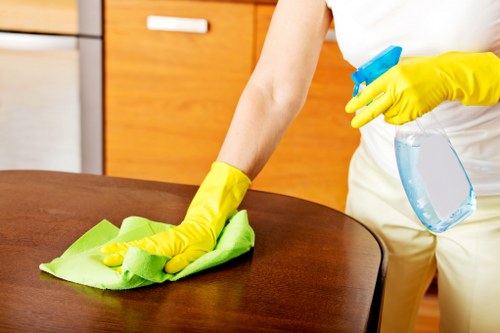
Spills are one of the most common reasons people need rug cleaning in a hurry. The key is to act quickly and avoid rubbing the stain deeper into the fibers. Blotting is usually better than scrubbing because it lifts moisture without spreading the mess.
Simple Spot Cleaning Steps
- Blot the spill immediately using a clean white cloth or paper towel.
- Remove any solid material gently with a spoon or dull edge.
- Apply a small amount of appropriate cleaning solution.
- Blot again until the stain begins to lift.
- Rinse lightly if needed and dry thoroughly.
It is important to avoid over-wetting the rug. Too much liquid can seep into the backing and create odor, mildew, or damage to the floor underneath. For natural fiber rugs, use very little moisture and keep drying time as short as possible.
Common stain types that require fast action:
- Coffee and tea
- Wine and juice
- Pet urine
- Grease and oil
- Mud and dirt
Spot cleaning is useful, but it does not replace deep rug cleaning. It is simply a first-response method that can prevent a small accident from becoming a permanent mark.
Deep Rug Cleaning Methods That Work
When surface care is not enough, deeper methods are needed to restore the rug. The best rug cleaning method depends on fiber type, dye stability, construction, and the level of soiling. Below are some of the most effective approaches used in homes and professional settings.
1. Hot Water Extraction
Also known as steam cleaning in some contexts, hot water extraction uses heated water and cleaning solution to loosen dirt. Then the moisture and grime are removed with powerful suction. This method works well for many synthetic rugs, though it may not suit delicate natural fibers.
2. Dry Cleaning
Dry cleaning uses minimal moisture and specialized compounds. It is often preferred for rugs that cannot tolerate soaking. This method is especially useful for fragile, ornate, or color-sensitive pieces.
3. Hand Washing
Traditional hand washing is common for fine rugs, including wool and handmade designs. It allows greater control over agitation, rinsing, and drying. Although labor-intensive, it can be one of the safest options for valuable rugs.
4. Encapsulation Cleaning
Encapsulation uses a solution that traps dirt into crystals or residue that can later be vacuumed away. It is popular for maintenance cleaning, especially in commercial environments.
Choosing the Right Method Matters
Using the wrong rug cleaning method can cause fading, shrinkage, texture loss, or fiber weakening. That is why many property owners prefer professional rug cleaning in situations where the rug is valuable, antique, or difficult to replace.
How Professional Rug Cleaning Differs from DIY Care
DIY cleaning can handle light maintenance, but professional rug cleaning often provides a much deeper and safer result. Professionals understand how to evaluate fibers, dyes, stains, and construction before choosing a method.
A trained cleaner may use specialized dusting equipment, immersion systems, pH-balanced solutions, and controlled drying techniques. These steps are designed to remove embedded soil while protecting the rug’s integrity. In contrast, DIY efforts can sometimes leave residue behind or use too much water.
Professional rug cleaning often includes:
- Pre-inspection of fibers, stains, and wear
- Dust removal before washing
- Targeted stain treatment
- Deep washing or dry cleaning as needed
- Careful drying and finishing
When to Call in a Professional
Professional rug cleaning in a specialized setting is a good idea if the rug is expensive, antique, handwoven, heavily stained, or severely soiled. It is also wise when the rug has delicate fringe, unstable dye, or damage that requires expert handling.
How Often Should Rugs Be Cleaned?
The right cleaning schedule depends on how the rug is used. A decorative rug in a low-traffic room may only need deeper cleaning once a year, while a rug in an entryway or family room may need much more frequent attention.
General rug cleaning frequency:
- Weekly: Vacuuming and quick inspection
- Monthly: Spot treatment and rotation if needed
- Every 6-12 months: Deep rug cleaning for most homes
- More often: In homes with pets, children, allergies, or heavy foot traffic
Rugs in commercial spaces may require more frequent service because dirt loads are usually higher. Offices, retail stores, hospitality spaces, and rental properties often benefit from scheduled rug cleaning to maintain a professional appearance.
Rotation Helps Prevent Uneven Wear
Rotating a rug every few months helps it wear evenly and receive balanced sunlight exposure. This simple habit supports rug cleaning efforts by preventing one area from becoming more damaged than the rest.
Common Mistakes to Avoid During Rug Cleaning
Even well-intentioned cleaning can go wrong if the wrong approach is used. Avoiding common mistakes can save time, money, and frustration.
Frequent rug cleaning mistakes include:
- Using too much water.
- Scrubbing stains aggressively.
- Applying random household chemicals.
- Ignoring fiber type and dye stability.
- Failing to dry the rug properly.
- Skipping vacuuming before washing.
One of the biggest issues is residue. If cleaning solution is not rinsed out correctly, it can attract more dirt over time and make the rug feel sticky. Another problem is improper drying, which can lead to mildew, odor, or backing damage. Good rug cleaning should always leave the rug clean, balanced, and fully dry.
Why “More Product” Is Not Better
Using extra detergent does not mean better cleaning. In fact, a small amount of the right solution is usually far more effective than a heavy application. Smart rug cleaning is about technique, not overuse.
Rug Cleaning for Homes with Pets and Children
Families with pets and children often need more frequent rug cleaning because accidents and spills are part of daily life. Rugs in these homes should be selected and maintained with durability in mind.
Pets may bring in dirt from outside, shed fur, or have occasional accidents. Children may spill juice, snacks, paint, or craft materials. Because of this, maintenance should focus on fast response and regular deep cleaning.
Helpful habits for busy households:
- Keep a stain removal kit nearby.
- Vacuum more often than usual.
- Use washable rugs where practical.
- Schedule regular deep cleaning.
- Address pet odors quickly before they settle.
Safety Matters Too
When choosing rug cleaning products for family spaces, opt for solutions that are safe for children and pets once properly dried. Harsh chemicals can leave residues that are uncomfortable or unsafe for everyday use.
Natural Fiber Rugs Need Special Attention
Natural fiber rugs such as wool, jute, sisal, and cotton can be beautiful and durable, but they often require extra care. These materials may absorb moisture quickly or react poorly to aggressive cleaning.
Wool, for example, benefits from gentle washing and careful drying. Jute and sisal can become distorted or discolored when over-wet. Cotton rugs may be machine washable in some cases, but they can also shrink if not handled correctly.
Best Practices for Natural Fibers
- Use minimal water whenever possible.
- Blot spills instead of rubbing.
- Test cleaning products in a hidden area.
- Avoid heat that could weaken fibers.
- Dry thoroughly in a well-ventilated space.
Professional rug cleaning is often the safest choice for natural fiber rugs because it reduces the risk of damage while preserving texture and appearance.
How Rug Cleaning Improves Indoor Air and Comfort
A clean rug contributes to a healthier, more comfortable environment. Dust, pollen, pet dander, and other allergens can become trapped in fibers, especially in thick or shaggy rugs. Over time, these particles may affect air quality and trigger irritation.
Regular rug cleaning can reduce these hidden irritants. It can also make a room feel brighter, cleaner, and more inviting. Many people notice that a freshly cleaned rug improves the whole atmosphere of the space, not just the floor area.
Comfort Benefits Beyond Appearance
- Reduced dust circulation
- Fresher indoor smell
- Better texture underfoot
- More vibrant room appearance
- Improved overall cleanliness
If you have ever walked into a room and immediately felt that it was cleaner, a well-maintained rug is often part of that effect. Rug cleaning is a simple but powerful way to elevate the entire space.
Tips for Extending the Life of Your Rug
Good maintenance does more than improve appearance. It protects the rug from long-term wear and helps it remain usable for years. A few practical habits can make a big difference.
Smart rug care tips:
- Use rug pads to reduce friction and slipping.
- Rotate rugs regularly.
- Keep shoes off when practical.
- Blot spills immediately.
- Avoid direct, prolonged sunlight when possible.
- Schedule regular rug cleaning before buildup becomes severe.
Rug pads are especially useful because they reduce movement and protect backing materials. They also improve comfort and can make vacuuming easier. Combined with proper rug cleaning, these habits support both appearance and longevity.
Storage Tips for Seasonal Rugs
If you store rugs during part of the year, clean them first, roll them rather than fold them, and keep them in a dry area. This prevents trapped dirt from causing odor or attracting pests during storage.
What to Expect from a Quality Rug Cleaning Service
When people search for rug cleaning in a professional setting, they usually want reliability, care, and strong results. A quality service should inspect the rug carefully, explain the process clearly, and match the cleaning method to the rug’s needs.
A good provider will typically evaluate fiber type, check for stains or damage, and decide whether washing, dry cleaning, or specialty treatment is most appropriate. They should also focus on drying, because moisture control is a major part of safe rug cleaning.
Signs of a quality service:
- Clear inspection before cleaning
- Method matched to rug material
- Attention to stain and odor removal
- Proper drying and finishing
- Respect for delicate construction and fringe
Why Process Matters More Than Speed
Fast service is helpful, but the best results come from careful work. A thoughtful rug cleaning process protects the rug while restoring a cleaner, fresher look.
Final Thoughts on Rug Cleaning
Rug cleaning is one of the most effective ways to protect your floors, improve indoor comfort, and preserve the beauty of your living or working space. From routine vacuuming to deep washing, every step plays a role in keeping rugs fresh and attractive.
Whether you are dealing with stains, odors, dust, or simple everyday buildup, consistent rug cleaning helps your rugs last longer and look better. It also supports a cleaner environment overall, which is valuable in busy homes and commercial spaces alike.
If your rug is overdue for care, now is the right time to take action. Contact us today or book your service now to give your rug the attention it deserves. With the right approach, rug cleaning in any space can be straightforward, effective, and rewarding.