Primrose Hill upholstery cleaning guide for flat owners
If you live in a flat in Primrose Hill, upholstery cleaning is one of those jobs that sounds simple until you actually start moving cushions, checking fabric labels, and wondering how much drying space you really have. A good Primrose Hill upholstery cleaning guide for flat owners should make life easier, not more complicated. That is the aim here. Whether you are dealing with a tired sofa, a dining chair that has seen one too many coffee spills, or a delicate armchair in a compact living room, the right approach matters.
Flat living brings its own quirks. Stairs, shared hallways, limited ventilation, neighbours below, lift access, drying time - all the little things that can turn a routine clean into a small logistical exercise. The good news? With a bit of planning, upholstery can be cleaned safely, thoroughly, and without turning your flat into a damp obstacle course.
This guide walks you through what upholstery cleaning involves, why it matters in Primrose Hill flats, how to do it properly, what mistakes to avoid, and when it makes sense to bring in a specialist. No fluff. Just practical advice you can actually use.
Why Primrose Hill upholstery cleaning guide for flat owners Matters
Upholstery does a lot more work than people notice. Sofas hold body oils, dust, pet hair, food crumbs, and the occasional wine splash. Dining chairs pick up daily wear. Bedheads and occasional chairs collect dust where you least expect it. In a flat, especially one with open-plan living, all of that gets concentrated into a smaller footprint.
Primrose Hill flats also tend to have a mix of older character properties and more modern apartments. That matters because upholstery fabrics, ventilation, and access can vary a lot from one building to the next. A velvet sofa in a top-floor flat with limited airflow needs a different approach from a synthetic dining chair set in a new-build with a balcony and better drying conditions. Simple enough, but easy to get wrong.
Clean upholstery is not just about looks. It helps reduce lingering odours, improves the overall feel of a room, and can extend the life of furniture you may have paid a fair bit for. To be fair, a sofa often gets more daily use than a guest mattress or spare chair, so it deserves a bit of care.
If you are comparing wider home-cleaning options, it can also help to think beyond one item. Some households book upholstery alongside curtain cleaning, carpet cleaning, or even rug cleaning when they want the whole room to feel fresher. That bundled approach often makes practical sense in a flat where cleaning access and drying time are both precious.
How Primrose Hill upholstery cleaning guide for flat owners Works
At its core, upholstery cleaning is about removing soil, stains, dust, and odour without damaging the fabric or over-wetting the filling underneath. The exact method depends on the material, the item's construction, and how delicate the fibres are.
Most professional upholstery cleaning follows a few broad stages:
- Inspection - The fabric type is checked first. This is the bit people skip at home, and it can make all the difference.
- Pre-treatment - Dry soil is loosened and stains are targeted with suitable products.
- Cleaning - Depending on the fabric, that may involve low-moisture cleaning, hot water extraction, foam cleaning, or careful spot treatment.
- Rinsing or residue removal - The aim is to leave as little sticky residue as possible, because residue tends to attract dirt again.
- Drying and finishing - Good airflow is key, especially in flats where windows may only open so far or ventilation is limited.
For many flat owners, the biggest concern is not the clean itself. It is the drying. A wet armchair in a small sitting room can take far longer to dry if the air is still. That is why method choice matters so much. In some cases, a carefully controlled process is better than a heavy-handed deep clean.
Professional fabric care often sits alongside other specialist services too. If a sofa has old pet smells, it may be sensible to look at pet stain odour removal rather than treating the issue as a simple surface stain. Likewise, if you need support across multiple soft-furnishing items, upholstery cleaning is the most direct service page to explore.
Key Benefits and Practical Advantages
There are several reasons flat owners in Primrose Hill tend to prioritise upholstery cleaning once they get around to it. Some are obvious. Some are a bit more subtle.
- A fresher living space - Upholstery holds odours quietly. Once cleaned, the room tends to feel lighter and less stale.
- Better appearance - Clean fabric reflects light better and usually looks brighter, even if the item is not brand new.
- Longer furniture life - Dirt acts like fine grit. It wears fibres down over time.
- Improved hygiene - Helpful in homes with pets, children, or frequent visitors.
- More comfortable everyday use - It is simply nicer to sit on a sofa that does not feel grimy under the armrest.
- Potentially better rental presentation - For landlords or tenants preparing for inspections, upholstery can make a strong visual impression.
There is also the psychological benefit. A freshly cleaned sofa can make a flat feel more settled, less cluttered, and more cared for. Funny how one item can change the mood of a whole room. But it really can.
For owners weighing whether to refresh a sofa now or wait, remember this: stains tend to set, odours tend to spread, and neglect tends to become more expensive later. Not dramatic, just true.
Who This Is For and When It Makes Sense
This guide is useful for a few different types of flat owner, and the needs are not all the same.
Owner-occupiers
If you live in your flat and use the same sofa, occasional chair, or bench every day, cleaning is usually about comfort, health, and keeping the home feeling pleasant. You will probably notice when the fabric looks dull, or when it starts to carry the smell of cooking, pets, or damp coats by the door.
Landlords and leaseholders
For furnished flats, upholstery condition can affect how a property presents between tenancies. Chairs and sofas are often the first things a viewer notices, even if they do not consciously realise it. A tired armrest can quietly drag the whole room down.
Renters with permission
If you rent a flat and have been given permission to clean or arrange cleaning, it can be worth dealing with marks early. A small spill handled quickly is far easier than a set stain left to settle for months.
Pet owners
Pet hair, dander, muddy paws, and the occasional accident make upholstery a frequent maintenance task. Truth be told, pets are delightful and a bit messy. That is just the deal.
Anyone preparing for a move or guest visit
Moving out, hosting family, or staging a property for sale are all sensible times to refresh soft furnishings. You do not always need a full deep clean, but you do want the furniture to look looked-after.
Step-by-Step Guidance
If you are tackling upholstery cleaning in a flat, the safest approach is a measured one. Rushing is where most problems start.
- Check the care label
Look for cleaning codes where available. These usually indicate whether the fabric can handle water-based cleaning, solvent-based cleaning, or only gentle vacuuming. If there is no label, proceed cautiously. - Vacuum thoroughly
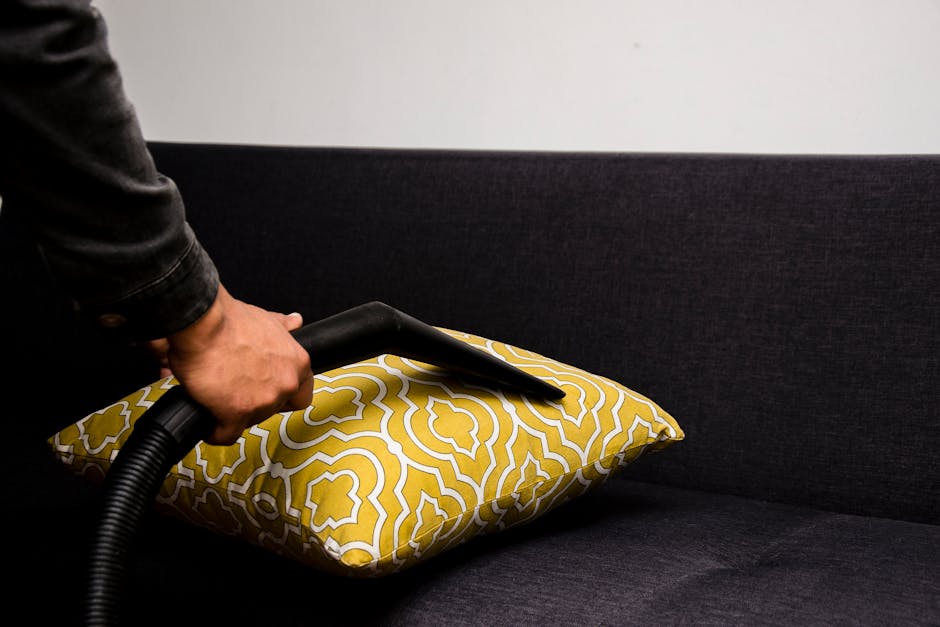
Use a soft upholstery attachment and work slowly. Get into seams, under cushions, and along the back where dust likes to hide. - Test a hidden area
Always try any cleaner on a discreet patch first. A back panel, underside, or low corner is ideal. Wait for it to dry before judging the result. - Deal with loose marks first
Blot spills with a clean white cloth. Do not rub. Rubbing tends to drive the stain deeper and can rough up the fibres. - Choose the least aggressive method
In a flat, low-moisture methods are often safer because they dry faster and reduce the chance of damp smells lingering. - Keep the room ventilated
Open windows if possible, but remember shared hallways and temperature changes. A fan can help circulate air without making the room feel like a wind tunnel. - Avoid over-wetting
Soaking upholstery is one of the quickest ways to cause trouble. The surface may look clean while the backing stays wet for hours. - Let it dry completely before heavy use
Resist the urge to sit down straight away. It is tempting. It also tends to flatten fibres and reintroduce grime too soon.
If you are wondering whether to do this yourself or book a professional, ask a very honest question: how much time do you have for drying, checking, and possibly re-doing a patch if it goes wrong? That answer usually tells you quite a lot.
Expert Tips for Better Results
There are a few small things that make a big difference in flat-based upholstery cleaning. Nothing exotic. Just the kind of practical detail that saves hassle.
- Work from the top down - Start with surfaces, then armrests, then lower areas. It keeps dirty water or loosened soil from dripping onto areas you have already cleaned.
- Use white cloths - Coloured cloths can transfer dye. Not always, but why risk it?
- Blot, don't scrub - Scrubbing can distort nap, especially on velvet, chenille, or brushed fabrics.
- Mind the drying climate - A cool November evening in a Primrose Hill flat is very different from a bright summer afternoon. Drying speed changes fast.
- Separate fabric types - A sofa, dining chairs, and cushions may all need different treatment even if they sit in the same room.
- Use stain-specific handling - Grease, wine, ink, and pet accidents all behave differently. One cleaner for everything is rarely the best answer.
In our experience, the most successful jobs are the ones where the owner treats the fabric gently and gives it enough time. Simple, almost boring advice. But boring advice is often the best kind.
If you are booking a broader home refresh, you might also think about a specialist sofa cleaning visit for the main seating item, then tackle the smaller fabric pieces separately. That can be easier than trying to treat every textile exactly the same way.
Common Mistakes to Avoid
A lot of upholstery damage starts with good intentions. It really does.
- Using too much water - This can leave rings, cause slow drying, and sometimes create odour or mould risk in hidden padding.
- Skipping the fabric test - One hidden patch could save you from a very visible mistake.
- Using harsh products on delicate fabric - Some cleaners are simply too aggressive for wool blends, silk-like finishes, or textured upholstery.
- Rubbing fresh spills - This spreads the stain and can push it further into the cushion.
- Cleaning only the stained area - On some fabrics, spot-cleaning one patch can leave a tide mark. Sometimes the whole panel needs balancing.
- Forgetting the frame and legs - Not the glamorous part, but dust and grime collect there too.
- Putting covers back too soon - If the fabric is still even slightly damp, the smell of trapped moisture can linger. Not ideal.
One small but common flat-owner mistake is cleaning late at night because that is the only free time available. Fair enough, life is busy. But if ventilation is poor and everyone is trying to sleep, the job can become messy fast. Morning tends to be easier.
Tools, Resources and Recommendations
You do not need a mountain of equipment to maintain upholstery properly. A sensible setup is better than a complicated one.
- Vacuum with upholstery attachment - Essential for routine maintenance.
- Soft brush - Useful for lifting dust and pet hair before vacuuming.
- Clean white microfibre cloths - Good for blotting and gentle wiping.
- Spray bottle - Handy for controlled application, though use sparingly.
- Fan or dehumidifier - Very useful in flats where airflow is limited.
- Fabric care label information - Often overlooked, but probably the most important guide of all.
If you are trying to decide whether to manage the job yourself or bring in help, it can also be useful to review general service information such as pricing and quotes, plus the company's approach to health and safety and insurance and safety. Those pages do not clean the sofa for you, obviously, but they do help build confidence before you book.
And if you are the sort of person who likes to understand who is doing the work and how they operate, the about us page can be useful background reading. A little trust-building never hurts.
Law, Compliance, Standards, or Best Practice
For flat owners, upholstery cleaning is usually a household maintenance issue rather than a regulated specialist task. That said, there are still sensible standards and expectations worth following.
First, if you are in a leasehold or rented property, check any building or tenancy rules before arranging work that may affect access, shared areas, or building fabric. Common-sense stuff, but it saves awkward conversations later. A professional cleaner working in a flat should also be careful around communal hallways, lifts, and stairwells so that equipment, moisture, and cleaning products do not create a nuisance or safety risk for neighbours.
Second, fabric manufacturers often provide care guidance that should be treated seriously. That may sound obvious, yet plenty of upholstery gets damaged because someone ignores a simple label or assumes all fabrics behave the same way. They do not.
Third, if a cleaner is using water, chemicals, or electrical equipment inside a flat, good working practice matters. Dry cables, clear walkways, careful product use, and basic ventilation are not optional extras. They are the difference between a tidy job and a stressful one.
Finally, it is sensible to choose a provider that explains its process clearly, uses appropriate methods for fabric type, and offers transparent customer information. If you are ever unsure, ask questions. Any decent professional should be happy to explain what they will do and why.
Options, Methods, or Comparison Table
Not every upholstery job needs the same approach. Here is a simple comparison of common methods, with flat living in mind.
| Method | Best for | Pros | Watch outs |
|---|---|---|---|
| Vacuuming and dry brushing | Routine care, dust, pet hair | Fast, low risk, minimal drying time | Won't remove deep stains or embedded grime |
| Spot cleaning | Fresh spills, isolated marks | Targeted, practical, low disruption | Can leave a tide mark if overdone |
| Low-moisture professional cleaning | Most flat upholstery, general refresh | Quicker drying, less chance of over-wetting | May need specialist assessment for delicate fabrics |
| Hot water extraction | Durable fabrics, heavier soiling | Can achieve a deep clean | Needs careful drying and fabric suitability checks |
| Foam or controlled surfactant cleaning | Sensitive fabrics or lightly soiled items | Gentler than full saturation | Technique varies widely by fabric |
For many Primrose Hill flats, low-moisture cleaning is the sweet spot because it balances cleaning power with sensible drying times. That said, the best method is the one matched to the fabric. Not the one with the flashiest name.
Case Study or Real-World Example
Imagine a two-bedroom Primrose Hill flat with a three-seater sofa in the living room, two fabric dining chairs, and a small footstool. The owners notice the sofa looks a bit flat and the armrests carry a faint smell of cooking and daily use. Nothing dramatic. Just that general dullness that creeps in over time.
They start with vacuuming, lift the cushions, and check the care label. One side panel is tested with a little cleaning solution. No colour transfer, no fibre damage. Good sign. But the front cushion covers are a slightly different weave, so they are treated more carefully. The owners keep the windows open for most of the afternoon and use a fan to keep air moving.
The result is not a brand-new sofa. Let's be realistic. But the fabric looks brighter, the smell of the room is cleaner, and the whole flat feels more inviting by the evening. That is the usual win with proper upholstery care: not miracle transformation, just a noticeable, satisfying improvement.
In a smaller flat, that shift matters more than people think. You spend a lot of time looking at your furniture, after all.
Practical Checklist
Use this quick checklist before you clean any upholstered item in your flat.
- Check the fabric care label.
- Vacuum all surfaces, seams, and cushion gaps.
- Test the cleaner in a hidden spot first.
- Confirm the stain type before applying any product.
- Use minimal moisture.
- Keep the room ventilated.
- Protect floors and nearby furnishings.
- Allow full drying before use.
- Use separate cloths for cleaning and drying.
- Call a specialist if the fabric is delicate, valuable, or badly stained.
Quick takeaway: in a flat, control is everything. Controlled product use, controlled moisture, controlled drying. That is the whole game, really.
Conclusion
Primrose Hill flat owners often need upholstery cleaning to do more than make a sofa look presentable. They need it to fit a real home, with real access limits, shared walls, awkward drying conditions, and furniture that has to earn its place. The best results come from matching the method to the fabric, working carefully, and not treating all upholstery like one generic job.
If you remember just one thing, make it this: gentle, deliberate cleaning usually beats aggressive cleaning in a flat. You will keep the furniture in better shape, avoid unnecessary dampness, and save yourself a good deal of hassle. And that, frankly, is worth a lot on a busy London day.
For a fresh, practical next step, review your soft furnishings, decide what can be managed in-house, and book professional help for anything delicate, stained, or awkward to dry. A little planning goes a long way, and your flat will feel better for it.
Get a free quote today and see how much you can save.
Frequently Asked Questions
How often should flat owners in Primrose Hill clean upholstery?
It depends on use, but many homes benefit from regular vacuuming and periodic deeper cleaning when the fabric looks dull, feels sticky, or starts to hold odours. Sofas used every day usually need attention sooner than occasional chairs.
Can I clean upholstery myself in a flat?
Yes, for light maintenance and small surface marks. The key is to use the correct method for the fabric, keep moisture low, and test any product first. For delicate materials or large stains, professional cleaning is usually safer.
What is the biggest risk when cleaning upholstery in a flat?
Over-wetting is probably the main one. In flats, poor airflow can slow drying and leave moisture trapped in the padding, which may lead to odour or residue problems.
Which upholstery fabrics are hardest to clean?
Delicate natural fibres, textured fabrics, and anything with mixed materials can be tricky. Velvet, silk blends, and some wool-rich fabrics need extra care, although the exact approach depends on the manufacturer's instructions.
Will upholstery cleaning remove pet smells?
Sometimes, yes, but it depends on how deep the odour has penetrated. Surface smells may lift with standard cleaning, while deeper pet contamination may need a more targeted treatment such as odour-focused work.
How long does upholstery take to dry in a flat?
Drying time varies with fabric type, cleaning method, room temperature, and ventilation. A well-ventilated room with low-moisture cleaning will usually dry faster than a heavily dampened item in a closed space.
Is steam cleaning suitable for all upholstery?
No. Despite the name, not every upholstered item should be steam cleaned. Some fabrics can shrink, distort, or react badly to heat and moisture. Always check suitability first.
Can upholstery cleaning damage my sofa?
It can, if the wrong product or method is used. Damage usually happens when people skip testing, scrub too hard, or use too much water. A careful process reduces the risk significantly.
What should I do before a professional cleaner arrives?
Clear the area, remove loose items, note any stains, and mention any previous cleaning attempts. If access is tight in your flat, make space for equipment and drying airflow where possible.
Is upholstery cleaning worth it for a rental flat?
Yes, especially if the furniture is furnished or visible in main living areas. Clean upholstery can improve presentation, reduce odours, and help the flat feel cared for. That can matter a lot between tenancies or before inspections.
Should I clean carpets and upholstery at the same time?
Often, yes. If both are due, it can be practical to deal with them together so the whole room feels fresh and the drying plan only needs to be managed once.
How do I know when to stop DIY and call a specialist?
If the fabric is delicate, the stain is old, the odour is strong, or you are unsure about the care code, it is usually time to stop and get expert help. Better that than risking a permanent mark on furniture you use every day.