Emergency water carpet cleaning in Camden same day help
If your carpet has been hit by a leak, overflow, spilled appliance water, or a sudden soak-through, the first hour matters more than most people realise. Emergency water carpet cleaning in Camden same day help is about stopping the damage from spreading, lifting moisture before it settles deep into the pile, and getting your home or workplace back to a clean, safe condition as quickly as possible. In a Camden flat, terrace, office, or shop, delays can mean lingering smells, staining, and that damp feeling you notice every time you walk through the room. Not ideal, to be fair.
This guide explains what same-day emergency carpet cleaning involves, how it works in practice, when it is worth calling in support, and what you can do straight away while help is on the way. We will also cover common mistakes, best-practice standards, and a realistic checklist so you can make calm decisions in a messy moment. Because when water is sitting in a carpet, calm is useful. Panic, not so much.
Why Emergency water carpet cleaning in Camden same day help Matters
Water and carpets do not make a friendly pair. A carpet can look only a little wet on top while the underlay, backing, and subfloor are already soaking. That hidden moisture is where the bigger problems begin: odour, mould risk, delamination, wicking stains, and a room that never quite feels dry again.
Camden properties add their own quirks. You see a lot of conversions, basement rooms, older flooring, and busy households where one spill quickly turns into a bigger issue. In a flat, water can also travel to neighbouring rooms or even downstairs, so a quick response is about more than appearance. It is about limiting disruption and preventing a small incident from becoming a much more expensive one.
Same-day help matters because moisture keeps moving. A fresh spill is easier to control than a carpet that has been wet for several hours. If the source is clean water from a burst pipe or appliance, there is often a decent chance of saving the carpet with prompt extraction and drying. If the water is contaminated, the urgency rises again, because hygiene becomes part of the picture.
Expert summary: the best results usually come from fast assessment, proper extraction, targeted drying, and a sensible decision about whether the carpet can be restored or whether a section needs more intensive treatment. Speed helps, but the right method matters just as much.
There is also a practical side that people sometimes miss. A damp carpet can hold onto a stale smell even after it looks dry. It can feel slightly springy, then flatten again later. That is the sort of detail you notice when you live with it for a week. Same-day action reduces that risk before it settles in.
If you are comparing cleaning support with broader property care, it can help to look at related services such as carpet cleaning, steam carpet cleaning, and stain removal. For homes with pets or mixed damage, pet stain and odour removal can also be relevant once the immediate water issue is under control.
How Emergency water carpet cleaning in Camden same day help Works
The exact process depends on the water source, carpet type, and how long the area has been wet. Still, most professional emergency responses follow a similar structure. The first job is assessment. Then extraction. Then drying. Then a careful check for hidden damage or residues.
1. Assessment of the water type and spread
The cleaner will want to know where the water came from, how long it has been there, whether the carpet feels saturated through to the underlay, and whether any furniture or skirting boards were affected. A quick visual check is not enough on its own. The useful question is: how far has the moisture travelled?
Clean water from a pipe or appliance is usually more straightforward than grey water from washing machines or spillovers that have picked up dirt. That distinction changes the cleaning approach and the level of caution required.
2. Removal of standing water
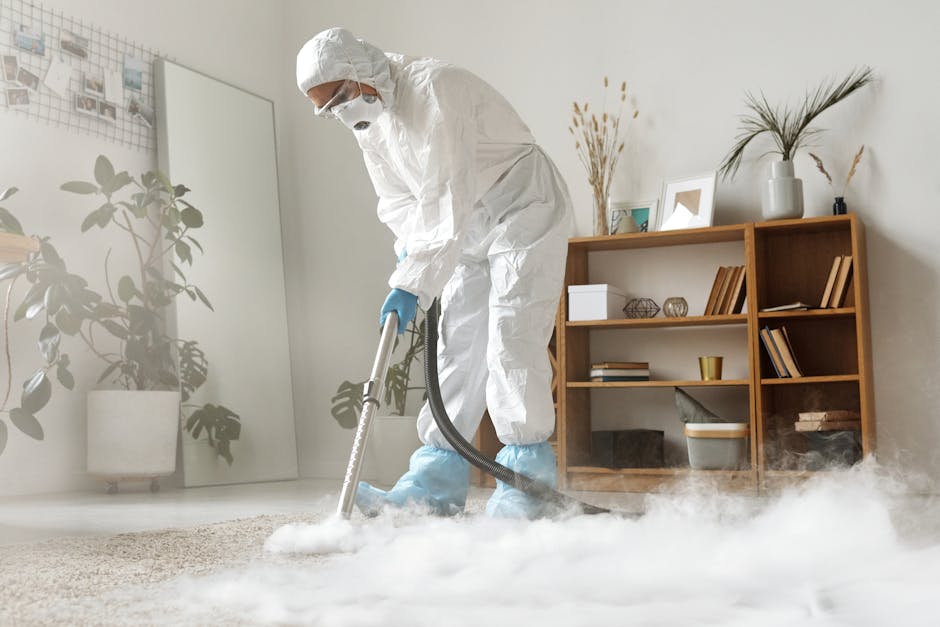
Before deep cleaning begins, excess water needs to be removed as far as possible. That may involve wet extraction equipment, towels for a first pass, or lifting loose items to stop them trapping moisture underneath. If the carpet is heavily saturated, the technician may need to work in sections rather than trying to do everything in one go. Truth be told, rushing that stage rarely helps.
3. Targeted cleaning and treatment
Once the bulk water is gone, the carpet may need cleaning to remove silt, soap residue, grime, or staining left behind by the water. Depending on the fibre and backing, the method may be hot water extraction, low-moisture cleaning, or a specialist spot treatment. The point is not to soak the carpet again. It is to clean it without reintroducing unnecessary moisture.
4. Drying and airflow management
Drying is often the part people underestimate. A carpet can look fine from the doorway and still be holding moisture below the surface. Fans, open airflow, and dehumidification may be needed, especially in rooms with limited ventilation. In a Camden basement or a narrow hallway, drying can take longer than expected. No magic trick there, just physics.
5. Final inspection and advice
Good emergency carpet work ends with a final check. That means checking for lingering damp, smell, colour change, edge lift, or recurrence of stains as the carpet dries. You should also receive practical advice about when to walk on it, when to move furniture back, and what to watch for over the next day or two.
Key Benefits and Practical Advantages
Same-day support is not only about convenience. It changes the outcome. When a carpet is dealt with quickly and properly, you are far more likely to save the material, keep the room usable, and avoid follow-up problems.
- Less permanent damage: fast extraction can reduce staining, backing failure, and odour retention.
- Lower disruption: a same-day visit helps households, landlords, and businesses get back to normal sooner.
- Better hygiene: prompt treatment limits the chance of contamination becoming a longer-term issue.
- Improved appearance: carpets are less likely to dry with tide marks or uneven patches.
- More accurate salvage decisions: a professional can judge whether the carpet can be restored or whether something has gone too far.
- Reduced secondary costs: responding early may help prevent underlay replacement, mould remediation, or extra repairs.
There is a quieter benefit too: peace of mind. When your hallway is damp and the clock is ticking, having a clear plan makes a difference. You stop guessing. You start acting.
For commercial spaces in Camden, the same logic applies even more strongly. A reception area, meeting room, or retail floor left wet can affect foot traffic and create a poor first impression. If your premises combine carpet with upholstery or rugs, it may make sense to think ahead about commercial carpet cleaning, upholstery cleaning, or rug cleaning once the urgent issue is handled.
Who This Is For and When It Makes Sense
Emergency water carpet cleaning in Camden same day help makes sense for anyone dealing with a sudden water incident, but the need is especially obvious in a few common situations.
Homeowners and tenants
If a radiator valve leaks, a washing machine overflows, or rain gets in through a damaged window, the carpet can become a problem very quickly. Tenants may also need to act fast to protect their deposit and keep the landlord informed. The faster you report and document the damage, the better.
Landlords and letting agents
In rental properties, wet carpet can trigger complaints from more than one direction. There is the tenant, the neighbour below, and the next inspection to think about. Same-day cleaning can help keep a manageable issue from turning into a dispute. That said, always check the cause of the water first. Cleaning is one part of the response, not the whole thing.
Offices, shops and hospitality venues
Businesses often need a rapid response because downtime is costly. A soaked carpet in a reception area or customer-facing room is not something you can politely ignore until next week. You need the floor dry, safe, and presentable. Simple as that.
People dealing with repeat damp or smells
Sometimes the trigger is not a dramatic flood. It is a recurring damp patch, a soft spot underfoot, or a smell that gets stronger on humid days. In those cases, emergency carpet cleaning may be part of a bigger diagnosis, especially if the source of water has not been fixed yet.
A useful rule of thumb: if the carpet is wet enough to feel squelchy, if the underlay may be affected, or if the smell changes from "fresh" to "stale" within a day, do not leave it. Ask for same-day help if you can.
Step-by-Step Guidance
Here is a sensible sequence to follow before and during emergency water carpet cleaning. It keeps things practical, not dramatic. You do not need to do everything perfectly, just enough to stop the situation getting worse.
- Stop the water source if it is safe to do so. Turn off the appliance, close the stopcock if you know where it is, or isolate the affected area. If electrical risk is present, keep clear and seek help.
- Protect people and pets. Keep children away from slippery areas and move pets out of the room. Wet carpet and loose cables are not a great combination.
- Blot, do not scrub. Use towels to lift surface water. Press gently. Rubbing hard can spread the stain and damage fibres.
- Lift lightweight furniture. Put foil or plastic under legs if you must leave items in place briefly. Even then, only as a temporary measure.
- Take a few photos. This helps with landlord, insurer, or building management conversations later. Keep it simple.
- Ventilate the room. Open windows if weather and security allow. Do not overdo it in freezing weather, but some airflow helps.
- Arrange same-day professional assessment. A proper inspection will tell you whether extraction alone is enough or whether deeper drying is needed.
- Follow drying instructions carefully. If you are told not to walk on the carpet, do not. A slightly inconvenient afternoon is better than re-soiling a damp area.
One small but important note: if the water is contaminated, do not treat it as a normal spill. There is a difference between clean water and something that has picked up waste or bacteria. That distinction matters for hygiene, not just appearance.
Expert Tips for Better Results
People often assume the job is won or lost in the cleaning itself. In reality, the prep and drying decisions matter just as much. Here are the details that tend to make the biggest difference.
Act before the edges dry first
Carpet edges and doorways can dry at a different rate from the centre. That uneven drying can leave visible marks later. If water has reached the perimeter, mention it early so the technician can look at the full spread, not just the obvious patch.
Do not add household heat too aggressively
Turning the heating to maximum may sound sensible, but it can cause the top surface to dry too fast while moisture remains below. A balanced drying approach is usually better. Gentle airflow is more useful than blasting hot air at one spot like you are trying to toast the carpet.
Watch for hidden underlay damage
The carpet pile may recover while the underlay stays damp or compressed. If the room still smells musty after drying, the issue may be deeper than the visible surface. That is when a more thorough inspection pays off.
Be honest about how long the water has been there
No judgement. Really. A lot of people underestimate the time because they were out, busy, or asleep. But drying methods change depending on how long the moisture has had to settle, so accurate timing helps the cleaner choose the right approach.
Plan for furniture return
Heavy furniture can leave dents or rust marks if it is put back too soon. Ask when it is safe to replace items and whether protective pads should be used. Small detail, big difference.
Another useful tip: if you have a delicate rug or a nearby sofa that caught spray or overflow, it may be efficient to treat the surrounding textiles at the same time. That can reduce the stop-start feeling and save time later. It is one of those "while we are here" jobs that often makes sense in real life.
Common Mistakes to Avoid
In an emergency, people understandably do whatever feels fastest. Some of those moves help. Some do the opposite. Here are the ones most likely to cause trouble.
- Leaving the carpet wet overnight without a plan. Even if it looks okay by evening, moisture can still be trapped below the surface.
- Using too much detergent. Soap residue can attract dirt later and make the carpet feel sticky or look dull.
- Scrubbing stains vigorously. That can spread contamination and fray fibres.
- Putting furniture back too soon. It may trap moisture and create rust, bleed-through, or indent marks.
- Ignoring the underlay. Surface dryness does not always mean the job is done.
- Trying to cover odour with air freshener. A stronger smell is not a solution, it is a distraction.
- Waiting for the carpet to "just dry naturally". Sometimes that works. Often it does not, especially in enclosed rooms or basement spaces.
A particularly common mistake is assuming that because a room feels warmer, it must be drying properly. Warm air without airflow can leave moisture hanging around. The room feels less damp, but the carpet is still not right. Sneaky, that one.
Tools, Resources and Recommendations
If you are handling the first stage yourself, a few simple tools can help. You do not need a van full of gear, just a sensible kit and a clear head.
| Tool or resource | What it helps with | Useful note |
|---|---|---|
| Absorbent towels | Removing surface water quickly | Press, lift, and swap frequently rather than rubbing |
| Wet vacuum or extraction machine | Drawing out deeper moisture | Best used carefully on suitable carpets and fibres |
| Fan or air mover | Improving airflow across the carpet | Works better when positioned to move air across, not straight down |
| Dehumidifier | Helping control moisture in the room | Particularly useful in enclosed or cool spaces |
| Protective gloves | Personal hygiene during cleanup | Important if water may be contaminated |
| Basic checklist | Keeping the response organised | Helps you track photos, timings, and actions taken |
It can also help to look at broader company information before booking. Pages such as pricing and quotes, insurance and safety, and health and safety policy can give you a clearer sense of how a provider works and what standards they follow.
If you are comparing company values too, useful supporting pages include about us, terms and conditions, and payment and security. No one enjoys reading policies in a rush, but a five-minute scan can save a lot of uncertainty later.
Law, Compliance, Standards and Best Practice
For water-damaged carpets, the main compliance issue is usually not a single rule; it is the duty to act safely and sensibly. In homes, that means taking care around electrics, slippery floors, and contaminated water. In rental properties and workplaces, there may also be responsibilities around prompt repair, hygiene, and preventing further damage.
Best practice is straightforward even if the situation is stressful:
- Do not put anyone at risk. If electrics or structural damage are involved, keep clear until the area is safe.
- Record the incident. Photos and notes are useful for landlords, insurers, or facilities teams.
- Use appropriate cleaning methods. Not every carpet or water source should be treated the same way.
- Dispose of contaminated waste properly. Materials that cannot be cleaned should be handled carefully.
- Follow drying and re-entry advice. Rushing people back into the room too soon can undo the work.
If a provider has clear policies on safety, complaints, and data handling, that is usually a good sign. For peace of mind, it can help to review complaints procedure, privacy policy, cookie policy, and accessibility statement. It is not glamorous reading, granted, but it does show how a business handles the basics.
For those interested in lower-waste choices, recycling and sustainability may also be relevant, especially where damaged materials need disposal or replacement planning.
Options, Methods and Comparison Table
Not every wet carpet needs the same response. The best method depends on water type, carpet construction, and how long the area has been affected. Here is a plain-English comparison that may help.
| Method | Best for | Advantages | Limitations |
|---|---|---|---|
| Basic towel drying | Very small fresh spills | Quick, simple, available immediately | Not enough for soaked pile or hidden moisture |
| Wet extraction | Moderate to heavy clean water exposure | Removes a large amount of moisture fast | May need follow-up drying equipment |
| Low-moisture cleaning | Delicate fibres or when over-wetting must be avoided | Helps clean without saturating again | Not suitable if water has deeply penetrated |
| Hot water extraction | Deep cleaning after certain water events | Good for soil removal and restoration | Must be controlled carefully to avoid extra moisture |
| Drying with air movers and dehumidifiers | Rooms with trapped humidity | Supports proper drying and odour control | Takes time and needs correct positioning |
If you are dealing with a straightforward fresh spill, a quicker method may be enough. If the carpet has been saturated or smells musty, more structured drying is usually the smarter choice. There is no prize for choosing the most dramatic method. The aim is simply to get the carpet properly dry and stable again.
Case Study or Real-World Example
Picture a Camden first-floor flat on a wet Tuesday morning. A washing machine hose loosens overnight, and by 7 a.m. the hallway carpet feels cold and spongy underfoot. The tenant spots the water before leaving for work and notices the smell of damp fabric. Not a flood, exactly, but enough to matter.
The first step is to stop the water and clear the area. Towels are used to lift surface moisture, and light furniture is moved away. Photos are taken for the landlord. A same-day carpet cleaning visit is then arranged because the water has already reached the edge of the room and part of the underlay is affected.
On arrival, the cleaner checks the carpet type, moisture spread, and likely drying time. The visible water is removed first, then the carpet is cleaned carefully and set up for drying with airflow. A follow-up check later in the day confirms the surface feels much improved, but the room is left with dehumidification overnight to finish the job properly.
The useful part of this example is not the equipment list. It is the sequence. Quick action, sensible assessment, and enough drying time to finish the job. That is usually what separates a manageable incident from a lingering problem.
Practical Checklist
Use this checklist if you are facing a wet carpet situation in Camden and need to stay organised.
- Find and stop the water source if it is safe.
- Switch off electricity to the affected zone if there is any risk.
- Keep people and pets away from the wet area.
- Blot standing water with clean towels.
- Photograph the damage for records.
- Note the approximate time the water started.
- Lift small items and protect furniture legs if necessary.
- Open windows or improve airflow where appropriate.
- Arrange same-day carpet assessment or cleaning.
- Ask whether the carpet, underlay, and subfloor need checking.
- Follow drying instructions before walking on the carpet again.
- Watch for smell, staining, or return of moisture over the next 24 to 48 hours.
Quick reminder: if the water source is unknown, contaminated, or connected to electrics, safety comes first. Always.
Conclusion
Emergency water carpet cleaning in Camden same day help is about more than making a carpet look presentable again. It is about acting early, limiting damage, and giving the room the best chance of drying properly without extra problems later. Whether the incident comes from a burst pipe, an appliance leak, a spill, or a rainy-day mishap, the principles stay the same: stop the source, remove moisture quickly, dry the space properly, and avoid the common mistakes that make recovery harder.
If you are deciding what to do next, trust what you can see, but also what you can smell and feel underfoot. That slightly damp, stale sensation is often the clue people ignore. It rarely stays small for long.
If you want to compare service details before booking, take a look at our service pages and company information first, then choose the path that fits your situation and your timeline.
Get a free quote today and see how much you can save.
Frequently Asked Questions
How quickly should I act after carpet water damage in Camden?
As quickly as possible. The first few hours are usually the most important because water can spread beneath the carpet and into the underlay. Even if the top feels only slightly damp, the lower layers may already be affected.
Can a wet carpet be saved the same day?
Often, yes, if the water is clean and the response is fast. The more time passes, the harder it becomes to save the carpet without more intensive drying or replacement of certain layers.
What should I do before the cleaner arrives?
Stop the water source if it is safe, keep people and pets away, blot surface moisture, and take photos. If electrics are involved, do not go near the area until it is safe.
Is same-day water carpet cleaning different from normal carpet cleaning?
Yes. Emergency work focuses first on extraction and drying, then on cleaning. Normal carpet cleaning is usually planned in advance and does not need the same urgency or damage control.
Will the carpet smell after drying?
It should not if it is cleaned and dried properly. If a smell lingers, it can mean moisture remains deeper in the carpet, underlay, or nearby materials. That is worth checking sooner rather than later.
How do I know if the underlay is damaged?
Signs include a persistent damp smell, a spongey feel underfoot, uneven drying, or staining that returns after the surface appears dry. A proper inspection is the best way to confirm it.
Is it safe to walk on the carpet while it is drying?
Usually not until you have been told it is safe. Walking on a damp carpet can spread dirt, flatten the pile, and slow drying. If you must cross it, ask for guidance first.
What if the water came from a washing machine or dishwasher?
That may count as grey water rather than clean water, depending on what it contains. It is wise to treat it more cautiously because detergent, dirt, and bacteria can change the cleaning approach.
How long does drying usually take?
It varies. A small spill may dry fairly quickly with ventilation, while a soaked carpet and underlay can take much longer. Room layout, airflow, and moisture depth all affect the timeline.
Can carpet cleaning remove staining from water damage?
Sometimes. It depends on what the water carried in with it and how long it sat there. Some marks can be lifted well, while others may leave permanent colour changes or tide lines.
Do landlords usually expect tenants to report this immediately?
Yes, in most cases prompt reporting is sensible and often expected. Reporting quickly helps limit further damage and gives everyone a clearer record of what happened.
What if the carpet is in a basement or low-ventilation room?
Those spaces usually need more careful drying because moisture lingers longer. A basement room in Camden can look fine before it is actually dry, so do not rely on appearance alone.
Should I use a household steamer on a wet carpet?
Generally, no. Adding more heat and moisture can make the problem worse if the carpet is already saturated. Targeted drying is usually a better approach than trying to steam your way out of an emergency.
How do I choose a provider for same-day help?
Look for clear pricing information, obvious safety guidance, a sensible explanation of the process, and a willingness to assess the situation before recommending treatment. If the explanation feels rushed or vague, that is a fair reason to pause.