Chalk Farm rug cleaning guide for period homes

If you live in a period property around Chalk Farm, you already know the charm comes with a few extra chores. Floorboards creak, plaster can be unforgiving, and rugs often do double duty: they soften echoey rooms, protect older floors, and tie together a space that needs to feel warm without looking cluttered. This Chalk Farm rug cleaning guide for period homes is designed to help you clean valuable or delicate rugs without causing damage, dulling fibres, or making stubborn marks worse. Whether your rug sits in a Victorian terrace, a converted flat, or a maisonette with original features, the right approach makes a real difference. And yes, it can save you a bit of stress too.
Truth be told, period homes are not the best place for "quick fix" cleaning. Moisture can linger, underlay can shift, and some rugs are far more sensitive than they look. So let's keep this practical. You'll find step-by-step guidance, common mistakes to avoid, a comparison of cleaning methods, and a realistic checklist you can use before you reach for the sponge. If you want a broader overview of floor care in the home, our rug cleaning service page is a useful companion read.
Why Chalk Farm rug cleaning guide for period homes Matters
Period homes in Chalk Farm often have original or older materials underfoot: timber boards, suspended floors, ornate skirting, and sometimes layers of history in the oddest places. Rugs help protect those surfaces, but they also collect the usual everyday grime - dust, soil, pet hair, pollen, drink spills, and the occasional mystery mark that appears after guests leave. In a newer property, a slightly damp rug might not feel like a big deal. In an older home, that same mistake can lead to slow-drying fibres, odours, or even damp spotting on the floor beneath.
A good cleaning approach matters because many rugs are made with materials that need more care than standard fitted carpet. Wool rugs can shrink if treated harshly. Handwoven pieces can distort. Natural dyes may run. And older homes can make drying harder because air movement is not always brilliant, especially on a grey London day when the windows stay shut and the heating is doing all the work.
There's also the value angle. Rugs in period homes are often chosen for character, not just function. A faded Persian-style rug, a thick wool runner, or a vintage flatweave can anchor a room beautifully. Clean it badly and you lose that character fast. Clean it properly and the room feels calmer, brighter, and more finished. That is the whole point, really.
How Chalk Farm rug cleaning guide for period homes Works
The cleaning method should always start with the rug itself, not the stain. That sounds obvious, but people often skip straight to the mess and forget to check fibre type, construction, backing, and dye stability. A well-made plan looks like this: identify the rug, remove loose dirt safely, test any treatment in a hidden area, clean with the mildest suitable method, and dry it thoroughly.
Here's the basic logic. Dust and grit act like sandpaper, so dry soil removal comes first. Then you assess whether the rug can handle spot cleaning, low-moisture cleaning, or a more thorough professional wash. In older homes, the room environment matters too. A rug on a cold floor will dry differently from one on a sunny upper landing, and that affects how much water you can safely use.
Professional rug cleaning generally follows a careful sequence: inspection, fibre testing, dusting or vacuuming, stain pre-treatment, controlled cleaning, rinsing or extraction if appropriate, then grooming and drying. For some households, particularly those with delicate heirloom rugs, a specialist may recommend off-site cleaning rather than cleaning in place. If you're comparing broader fabric care options, it can help to look at upholstery cleaning and stain removal too, because the same cautious mindset applies.
Key Benefits and Practical Advantages
A proper rug-cleaning routine gives you more than a nicer-looking floor. It changes how the whole room feels. Clean rugs reduce that stale, dusty smell that can build up in enclosed period properties. They also help cut down on the visible evidence of daily life - crumbs, pet hair, dull traffic lanes, and the sort of patchiness that creeps in slowly until one day you notice it all at once.
- Better appearance: colours look sharper and patterns are easier to read.
- Longer rug life: less grit means less fibre wear over time.
- Improved indoor freshness: odours from pets, spills, and general living are easier to manage.
- Protection for older floors: clean, dry rugs are less likely to trap moisture against timber.
- More comfortable rooms: the whole space feels more cared for, which matters in period homes.
There's a quieter benefit as well. A well-maintained rug can make a room feel stable and grounded. In homes with high ceilings or draughty corners, that matters more than people think. A clean rug can be the difference between a room that feels a bit tired and one that feels properly looked after.
Who This Is For and When It Makes Sense
This guide is for anyone in Chalk Farm or the wider Camden area living with rugs in an older property and wanting to keep them in decent shape without taking unnecessary risks. It is especially useful if your home has original floorboards, limited storage, or rooms that are a little awkward to ventilate. Let's face it, period homes are gorgeous, but they can be fussy.
It makes sense if you have:
- a wool, silk-blend, hand-knotted, or handwoven rug
- a runner on a hallway floor that gets heavy foot traffic
- pets that leave hair, dander, or the odd accident
- smoke, cooking, or damp-related odours lingering in the room
- a rug that has not been cleaned properly in years
- a recent spill that you're worried may spread if treated badly
This also matters if you rent out a period property or manage a flat where the rugs are part of the furnishings. Regular care helps keep everything presentable and avoids that slightly apologetic look people get when they say, "sorry about the carpet." If the whole property needs a broader refresh, a look at carpet cleaning and steam carpet cleaning can help you decide what should be cleaned together and what should be treated separately.
Step-by-Step Guidance
Below is a cautious, practical process that suits most period-home situations. It is not a substitute for specialist treatment on high-value antiques, but it is a solid framework for ordinary household use.
1. Identify the rug first
Check the label if there is one. If not, look at the fibre, backing, weight, and weave. Wool, cotton, jute, sisal, viscose, silk, and synthetics all behave differently. A rug that looks robust may still be fragile when wet.
2. Test for colourfastness
Use a barely damp white cloth on a hidden corner. If dye transfers, stop there and avoid aggressive wet cleaning. This tiny test can save a lot of grief. Honestly, it's worth the thirty seconds.
3. Remove dry soil
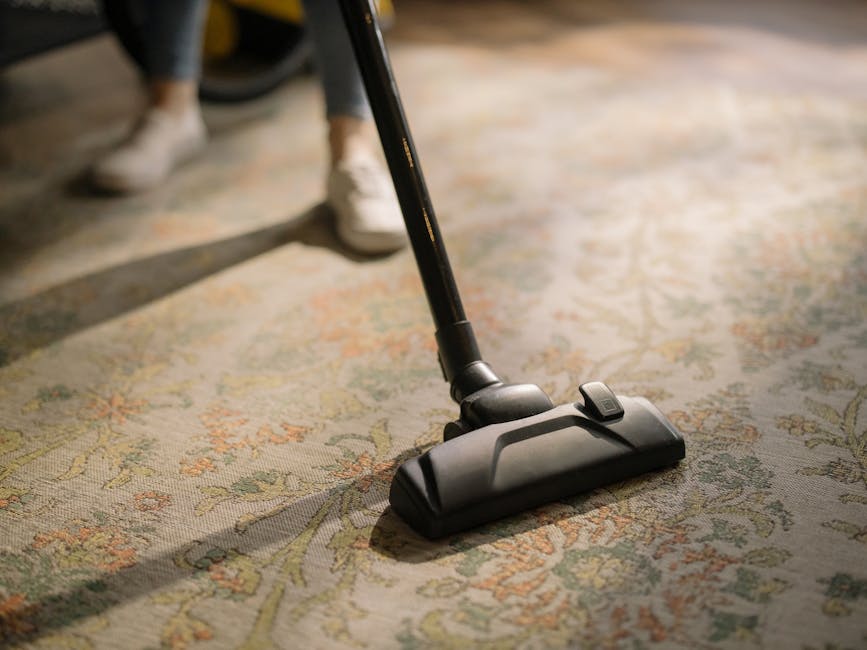
Vacuum gently on both sides if possible, using a suction setting that does not drag the fibres. On a fringed rug, avoid running the machine over the tassels. They tangle faster than you'd think. For thick rugs, a good shake outdoors can help, but only if the rug is light enough and safe to move without bending.
4. Treat spots carefully
Blot, don't rub. Work from the outside of the stain inwards so it doesn't spread. Use a mild, fibre-appropriate solution and keep moisture controlled. If the stain is oily, sticky, or coloured, it may need a more specific treatment rather than random household products mixed together in a panic.
5. Clean with the least aggressive method that works
For many rugs, low-moisture cleaning or careful hand cleaning is safer than full saturation. A professional may use controlled washing or extraction depending on the rug type. The key is restraint. More liquid does not mean more clean.
6. Dry thoroughly
Drying is where period-home rug care often goes wrong. Raise airflow with open windows where appropriate, use fans if needed, and keep the rug flat or properly supported. Never put it back down damp on a timber floor. That's asking for trouble, and the smell the next day is not subtle.
7. Finish with grooming and inspection
Brush the pile lightly if suitable, check for residue, and make sure the rug is fully dry before replacing furniture. A final inspection in daylight usually reveals marks or flattening that indoor lighting hides.
Expert Tips for Better Results
The best results usually come from the small things. In our experience, most rug problems are created by impatience, over-wetting, or using the wrong product on the wrong fibre.
- Use white cloths only for spot treatment so you can see if dye is coming out.
- Work slowly on old stains. A stain set over months will not vanish in one enthusiastic attempt. Shame, but true.
- Control the room climate. If the room is cold and still, drying will be painfully slow.
- Protect adjacent flooring. Period wood floors can mark easily if liquid escapes the rug edge.
- Keep a record of what you used. Useful if you need a professional to step in later.
If you have matching soft furnishings, it can be smarter to clean them in one plan rather than in random bursts. That way the room dries, smells, and looks consistent. Pairing rug care with curtain cleaning or sofa cleaning can make a big visual difference in a period sitting room.
And one more thing: if your rug is irreplaceable, treat it like it is. That sounds dramatic, but it's the right mindset.
Common Mistakes to Avoid
Some mistakes are so common they feel almost traditional. They're still mistakes, though.
- Over-wetting the rug: too much water can distort the backing, prolong drying, and leave marks.
- Scrubbing hard: this pushes dirt deeper and can rough up the pile.
- Using strong bleach or random cleaners: colour loss and fibre damage are real risks.
- Ignoring the underside: dirt and damp often sit underneath even when the top looks fine.
- Skipping a test patch: especially risky with natural dyes and older textiles.
- Putting the rug back too soon: damp under furniture is one of the sneakiest problems in older homes.
There is also a design mistake people don't talk about enough: cleaning only the visible traffic lane. You end up with a bright strip through a dull rug, which looks oddly worse than leaving it alone. Better to clean the full piece evenly, if the material can handle it.
Tools, Resources and Recommendations
You do not need a huge kit to look after a rug properly. A simple, sensible set of tools is better than a shelf full of half-used bottles.
| Tool or item | Why it helps | Best use |
|---|---|---|
| Vacuum with adjustable suction | Removes loose dust without pulling fibres | Routine maintenance and pre-cleaning |
| White microfibre cloths | Useful for blotting and testing colour transfer | Spot cleaning and stain checks |
| Soft brush | Helps lift pile gently | Final grooming on suitable rugs |
| Mild fibre-safe cleaner | Less risk of residue or damage | Spot treatment and light cleaning |
| Fan or dehumidifier | Speeds drying in period homes | Post-clean drying support |
If you're dealing with pet mess, smells, or repeat accidents, the issue may be broader than the rug itself. In that case, pet stain odour removal can be a sensible next step, because surface cleaning alone won't always solve the smell. For upholstered furniture in the same room, upholstery cleaning is worth considering too.
For households comparing professional help, it is also sensible to look at pricing and quotes before booking anything. Clear expectations usually save everyone time.
Law, Compliance, Standards and Best Practice
Rug cleaning in a domestic setting is not usually a heavily regulated activity for the homeowner, but best practice still matters. If you hire a professional, you should expect sensible handling of equipment, appropriate use of cleaning agents, and care around slips, moisture, and electrical safety. In older properties, that last part is not minor. Wet floors and trailing cables are a poor combination, especially if rooms are narrow or access is awkward.
Good providers should also be insured and able to explain how they protect your home while working. If a company is entering a period property with tight staircases, original flooring, or fragile furnishings, risk awareness should be visible from the start. You can review general safety expectations through a provider's health and safety policy and its insurance and safety information. Those pages are boring in the best possible way: they tell you whether the basics are properly thought through.
Environmental care is part of best practice too. Using only what is needed, avoiding waste, and disposing of packaging responsibly all matter in a city setting. If sustainability is important to you, a company's recycling and sustainability approach can be a useful indicator of how carefully it operates overall.
Options, Methods, or Comparison Table
Not every rug needs the same method. The right choice depends on fibre, age, value, and condition. Here's a straightforward comparison.
| Method | Best for | Pros | Watch-outs |
|---|---|---|---|
| Vacuum and dry maintenance | Routine care | Fast, low risk, prevents grit build-up | Won't remove deep stains or odours |
| Spot cleaning | Fresh spills and isolated marks | Targeted and economical | Can spread stains if done badly |
| Low-moisture cleaning | Delicate rugs and period homes | Reduced drying time and lower risk of oversaturation | May not suit very heavy soiling |
| Controlled professional wash | Wool, handwoven, or valuable rugs where appropriate | Deeper clean with expert handling | Not suitable for every construction or dye type |
There's no universal winner. A small hallway runner and a silk blend living-room rug are not playing the same game. If you are cleaning a fitted floor area as well, a different approach may be needed, which is why it helps to compare rug care with carpet cleaning rather than assuming the same method fits everything.
Case Study or Real-World Example
Picture a Chalk Farm flat in a converted Victorian building. The living room has original floorboards, a wool rug, and a sofa placed near the main walkway. Over time, the rug picks up a greyish strip through the middle, a faint dog smell near one corner, and a couple of drink marks from an evening that probably started with tea and ended with "just one glass."
The homeowner's first instinct is to scrub the marks harder. Sensible? Not really. Instead, the better route is to vacuum the rug thoroughly on both sides, check colourfastness, treat the spots lightly, and dry it with decent airflow. The dog odour needs a separate focus, because smell often sits deeper than the visible mark. The sofa nearby should be checked too, since the room issue is usually a room issue, not a rug-only issue.
After a careful clean, the room changes in a subtle but very satisfying way. The rug's pattern reads properly again. The boards below are protected. The smell drops back to normal. And the whole room feels more like a home than a problem waiting to happen. That's the kind of win people remember. Small, but proper.
Practical Checklist
Use this before you start cleaning. If you answer "no" to several items, pause and reconsider the method.
- Have I identified the rug's fibre and construction?
- Have I tested a hidden area for colourfastness?
- Is the rug safe to vacuum on both sides?
- Do I know what caused the stain or odour?
- Have I chosen the mildest effective cleaning method?
- Is the room warm enough and ventilated enough for drying?
- Do I have clean cloths, not coloured towels?
- Have I protected the floor underneath?
- Can I keep people and pets off the rug until it is fully dry?
- Do I know when to stop and call a professional?
If the answer to the last point is "not quite," that's perfectly fine. Some rugs are better left to someone with the right tools and a steadier hand. No shame in that at all.
Conclusion
Period homes reward careful upkeep. They also punish shortcuts. That's the honest version. A thoughtful rug-cleaning routine protects both the rug and the room it lives in, which matters especially in Chalk Farm properties where older floors, tighter layouts, and delicate fabrics often sit side by side. Start gently, test before treating, dry thoroughly, and do not force a modern cleaning method onto an old piece just because it looks convenient.
The best rug care feels calm, not frantic. Little and often tends to beat occasional heroic scrubbing. If you keep that in mind, your rugs will last longer, look better, and fit the room the way they should - quietly doing their job, without fuss. And really, that is the sweet spot.
Get a free quote today and see how much you can save.
Frequently Asked Questions
How often should rugs in period homes be cleaned?
For most homes, light maintenance should happen weekly and deeper cleaning should be done when the rug shows signs of dullness, traffic wear, staining, or odour. High-use rugs may need attention more often.
Is steam cleaning safe for all rugs?
No. Steam or hot-water methods are not suitable for every fibre or construction. Delicate natural fibres, antique pieces, and some dyed rugs can react badly, so testing and careful assessment are essential.
Can I clean a wool rug at home?
Yes, many wool rugs can be maintained at home with gentle vacuuming and careful spot treatment. The key is to avoid oversaturation and harsh chemicals. If in doubt, use a specialist.
What is the biggest risk when cleaning rugs in period houses?
Over-wetting is probably the biggest risk because older floors and slower drying conditions can lead to odour, distortion, or moisture problems underneath the rug.
Why do old rugs sometimes smell worse after cleaning?
Usually because too much moisture was used or the rug did not dry properly. Trapped water can wake up hidden odours and make them more noticeable for a while.
Should I clean the rug on the floor or take it outside?
It depends on the rug and the weather. Outdoor shaking or airing can help with dry soil, but fragile rugs may be safer handled indoors with controlled vacuuming and spot treatment.
Can rug cleaning remove pet odours completely?
Sometimes, but not always. Surface cleaning helps, yet deeper pet odours may need more targeted treatment, especially if the problem has reached the backing or underlay.
How do I know if a rug needs professional cleaning?
If it is valuable, antique, heavily stained, shedding, colour-unstable, or slow to dry, professional cleaning is usually the safer option. That is especially true in older properties.
What should I ask before booking a rug cleaner?
Ask about fibre knowledge, stain treatment approach, drying time, insurance, and how they handle delicate or antique rugs. Clear answers are a good sign.
Are DIY rug cleaning products safe in chalk Farm period homes?
Some are, but not all. The problem is usually not the product label - it is the mismatch between product, fibre, stain, and moisture level. A cautious test patch is essential.
Can I use the same method for rug cleaning and carpet cleaning?
Not really. Rugs are usually more mobile and often more delicate than fitted carpets, so they need a more tailored approach. Carpet care and rug care overlap, but they are not identical.
What's the best way to keep a rug looking good for longer?
Vacuum regularly, rotate the rug if possible, deal with spills quickly, and avoid letting moisture sit. That steady, unglamorous routine does most of the heavy lifting.